
How We Practice the Vault Way
How We Decide
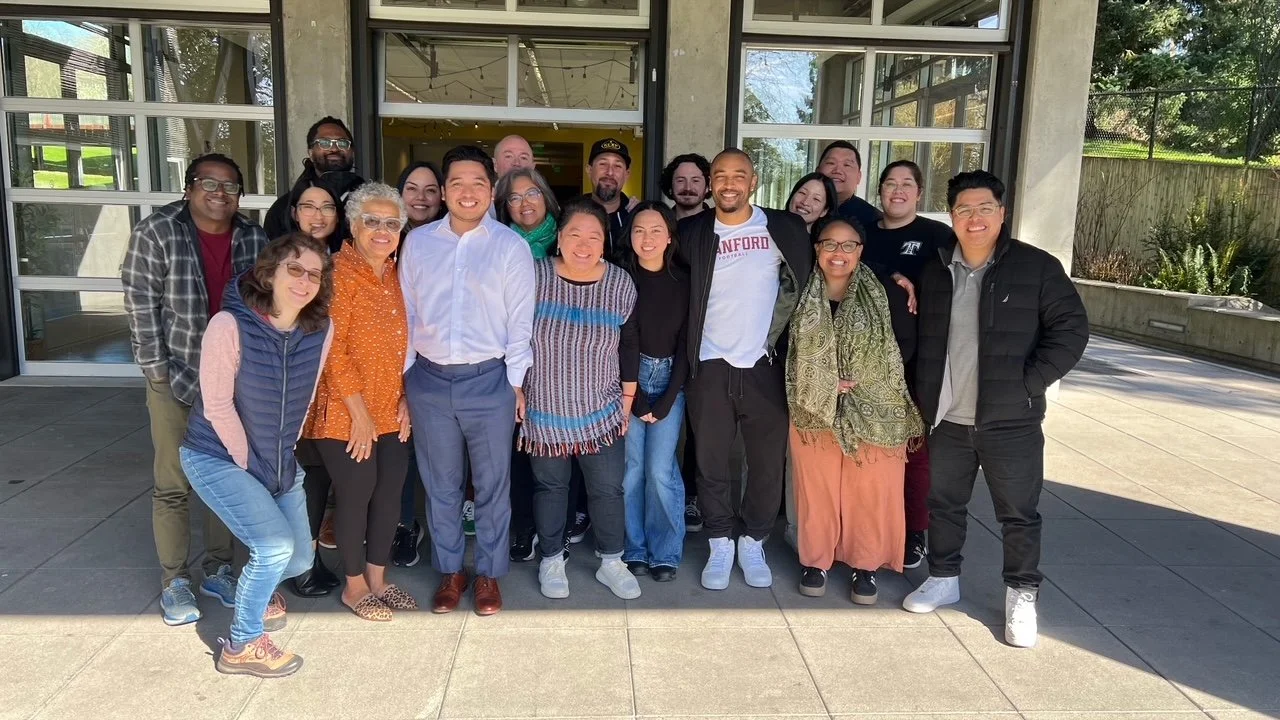
At Vault89, decision-making is an act of responsibility. Decisions shape people’s lives, influence systems, and leave consequences that extend beyond the moment they are made. Because of this, we do not treat decisions as purely technical or transactional. We treat them as moral and practical commitments.
We decide with alignment as the standard. When alignment is clear, decisions can move quickly. When alignment is unclear, we slow down not to avoid action, but to ensure coherence between intention, action, and consequence.
Before moving forward on meaningful decisions, we ask a small set of non-negotiable questions:
1. What is the true intent of this decision?
We name the purpose honestly, without spin or justification. If the intent cannot be clearly stated, or if incentives contradict the stated purpose, alignment is already at risk.
2. Who is affected, and how?
We identify who benefits, who bears the cost, and who may be impacted indirectly or over time. We pay particular attention to those with the least power or voice, and we do not treat their impact as incidental.
3. What consequences are we willing to own?
We distinguish between risks we are prepared to carry and costs we are quietly shifting onto others. We do not pursue decisions where responsibility is obscured, displaced, or deferred beyond repair.
4. What assumptions are we making?
We surface what we believe to be true, what we are uncertain about, and what we may be overlooking. Curiosity is not optional; it is how we prevent certainty from hardening into error.
5. What would repair require if this goes wrong?
We consider failure in advance. We ask how harm would be addressed, who would be accountable, and whether repair is realistically possible. If repair cannot be imagined, the decision is not yet ready.
These questions are not meant to paralyze action. They are meant to protect alignment. When urgency, pressure, or opportunity push us to move faster than clarity allows, we default to integrity over speed. When trade-offs are unavoidable, we name them explicitly and remain accountable for their impact over time.
Decision-making at Vault89 is not about being right in the moment. It is about staying aligned over time.
How We Disagree
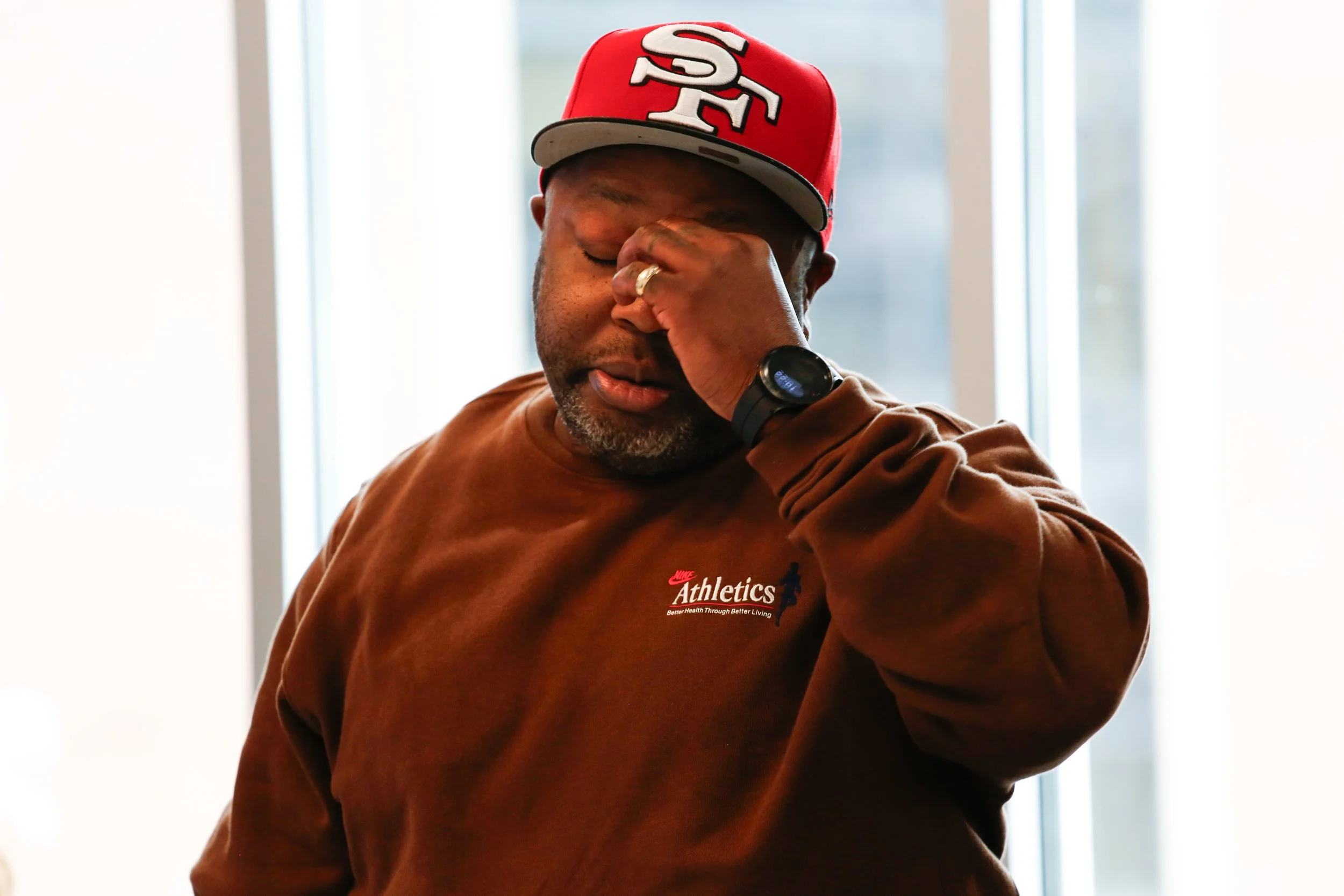
At Vault89, disagreement is not a failure of alignment. It is often a sign that alignment matters.
We expect disagreement in serious work. Complex problems require multiple perspectives, and clarity is rarely reached without tension. Our responsibility is not to eliminate disagreement, but to engage it with discipline, respect, and care.
We disagree in service of the work, not in defense of ego. This means we challenge ideas without attacking people, and we remain open to being changed by what we hear. Curiosity comes before certainty.
When we disagree, we commit to the following practices:
We speak directly and respectfully.
We do not triangulate, gossip, or allow frustration to surface indirectly. Concerns are raised with the people closest to the work and the decision. Silence that avoids discomfort but preserves misalignment is not a form of respect.
We assume good intent, but do not ignore impact.
We give one another the benefit of the doubt while remaining honest about how actions and decisions affect others. Good intent does not cancel harm, and naming harm is part of staying aligned.
We listen to understand, not to win.
Disagreement is not a debate to be won. It is a shared effort to see more clearly. We ask questions, reflect back what we hear, and resist the urge to defend our position before fully understanding another’s.
We separate authority from truth.
Titles and roles inform responsibility, but they do not determine correctness. The strongest ideas can come from anywhere. Leaders are expected to invite challenge and model openness, especially when power dynamics are present.
We stay anchored to alignment.
When disagreement persists, we return to our shared standard: alignment between intention, action, and consequence. We ask what choice best serves the work, the people affected, and the future we are shaping.
If a disagreement cannot be resolved in the moment, we do not force consensus. We name what is unresolved, clarify who is accountable for the decision, and commit to revisiting the issue with additional information or perspective. Disagreement handled well strengthens trust. Disagreement avoided or mishandled erodes it.
At Vault89, we disagree because the work is worth taking seriously, and because the people doing the work are also worthy of love.
How We Repair
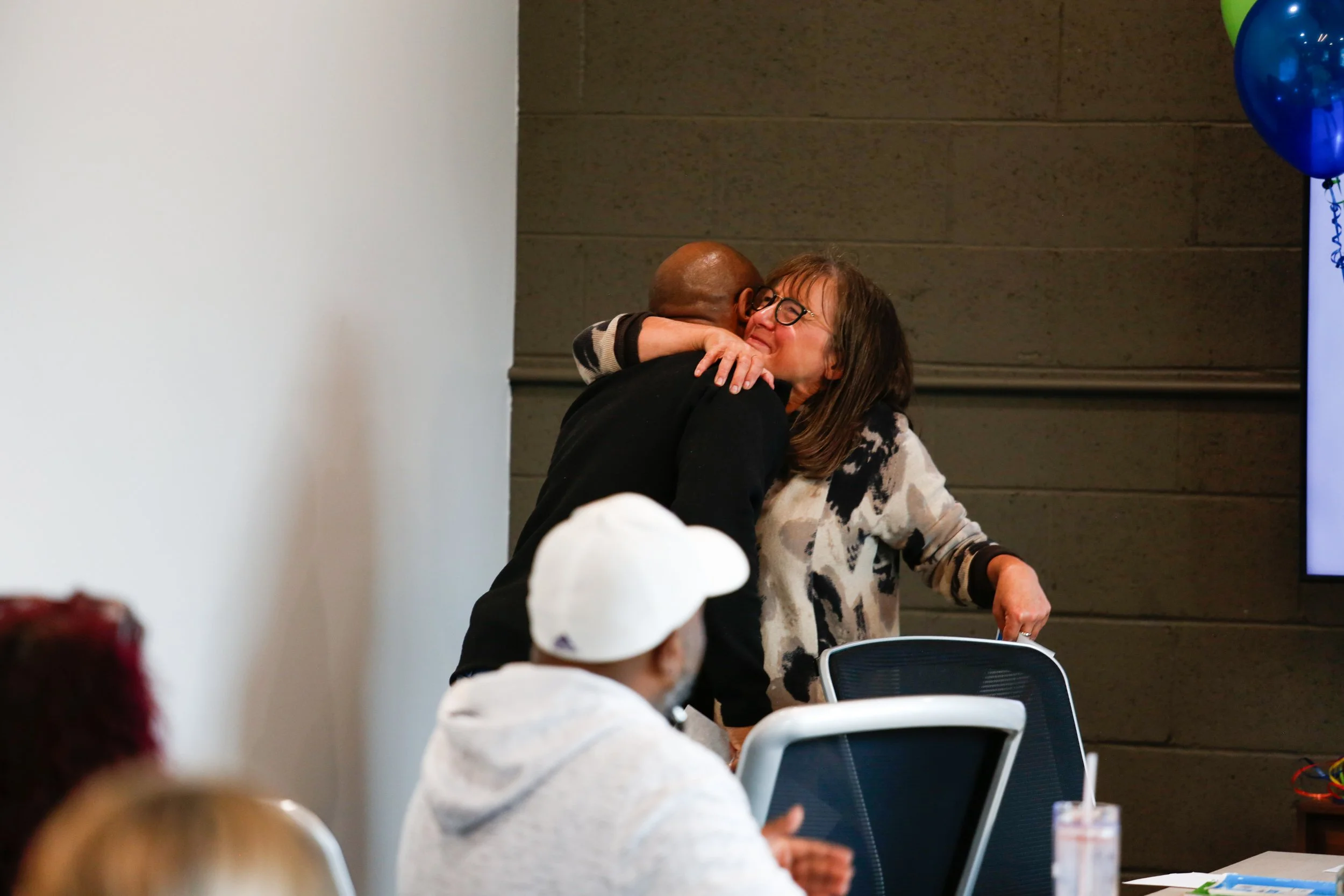
At Vault89, repair is not an exception to the work. It is part of the work.
Despite our best intentions, harm will occur. Decisions will miss context. Words will land poorly. Actions will create unintended consequences. Repair is how we remain aligned when that happens.
Repair begins with ownership. When harm occurs, we name it directly and without defensiveness. We do not minimize impact, explain it away, or wait for it to resolve itself. Acknowledging harm is not an admission of failure; it is a commitment to integrity.
We distinguish between intent and impact. While intent matters, impact carries weight. Repair requires listening to those affected, understanding how harm was experienced, and taking responsibility for addressing it — even when the harm was unintended.
Repair is not about blame or punishment. It is about restoring trust, dignity, and alignment. This may include apology, correction, changed behavior, or structural adjustment. What repair requires is determined by the impact, not by convenience or discomfort.
Those with greater responsibility carry a greater obligation to repair. Leadership does not insulate anyone from accountability. When harm involves power dynamics, leaders are expected to act promptly, transparently, and with care for those most affected.
Repair takes time. It may not be linear, and it may not resolve cleanly. We remain engaged throughout the process, rather than seeking quick closure. Avoidance, silence, or premature resolution undermine trust and are inconsistent with the Vault way.
We also repair by learning. When something breaks, we examine what allowed it to happen and what must change to prevent repetition. Repair without learning is incomplete.
At Vault89, repair is an expression of love in action. It is how we honor the people affected by our work and the responsibility we carry forward.
How We Say “No”

At Vault89, saying no is not a failure of ambition. It is a responsibility of alignment.
Because our work carries real consequences, not every opportunity belongs here. Saying no is how we protect the integrity of what we say yes to. It allows us to remain honest about our limits, disciplined about our focus, and accountable for the work we choose to take on. We say no when alignment cannot be sustained. This includes work where:
intent is unclear, conflicted, or obscured;
execution would require compromising honesty, curiosity, or forgiveness;
consequences are shifted onto people without voice, recourse, or repair;
urgency or pressure is used to bypass discernment; responsibility for outcomes cannot be clearly owned.
Saying no does not require certainty about a better alternative. It requires clarity about what does not belong.
We say no with respect. We do not dismiss ideas casually or devalue the people behind them. Refusal is communicated directly, transparently, and without unnecessary justification. We name the misalignment as clearly as we can, recognizing that clarity is a form of care. We also say no to ourselves. This includes resisting the pull of:
visibility without responsibility;
growth without coherence;
influence without accountability;
work that feels good but does not hold up under scrutiny.
Saying no may cost us opportunity, momentum, or approval. We accept that cost. Alignment is worth protecting, even when refusal is uncomfortable. When we say no, we do so in service of the future and preserve our ability to do work that is worthy of being carried forward.
At Vault89, saying no is how we remain faithful to the Vault way.
How We Say “Yes”

At Vault89, a yes is not the end of discernment. It is the beginning of responsibility.
When we say yes, we are choosing to stand with the work and the people it affects over time. A yes commits us not only to action, but to presence — especially when complexity deepens, conditions change, or outcomes are uncertain.
Saying yes means we accept that alignment is not static. We remain attentive to how intent, action, and consequence evolve, and we are willing to pause, adapt, or course-correct when misalignment emerges. Momentum alone is not a reason to continue. A yes obligates us to:
stay honest about what is working and what is not;
remain curious as new information surfaces;
engage repair when harm occurs;
take responsibility for outcomes, not just effort.
We do not treat a yes as permission to disengage from discernment. We do not hide behind prior approval when reality changes. Commitment includes the willingness to revisit decisions with integrity. Saying yes does not mean certainty. It means accountability.
At Vault89, we say yes only when we are prepared to carry the work and its consequences. That is alignment.